Melissa Carnemolla

THE ISLAND WITHIN THE ISLAND
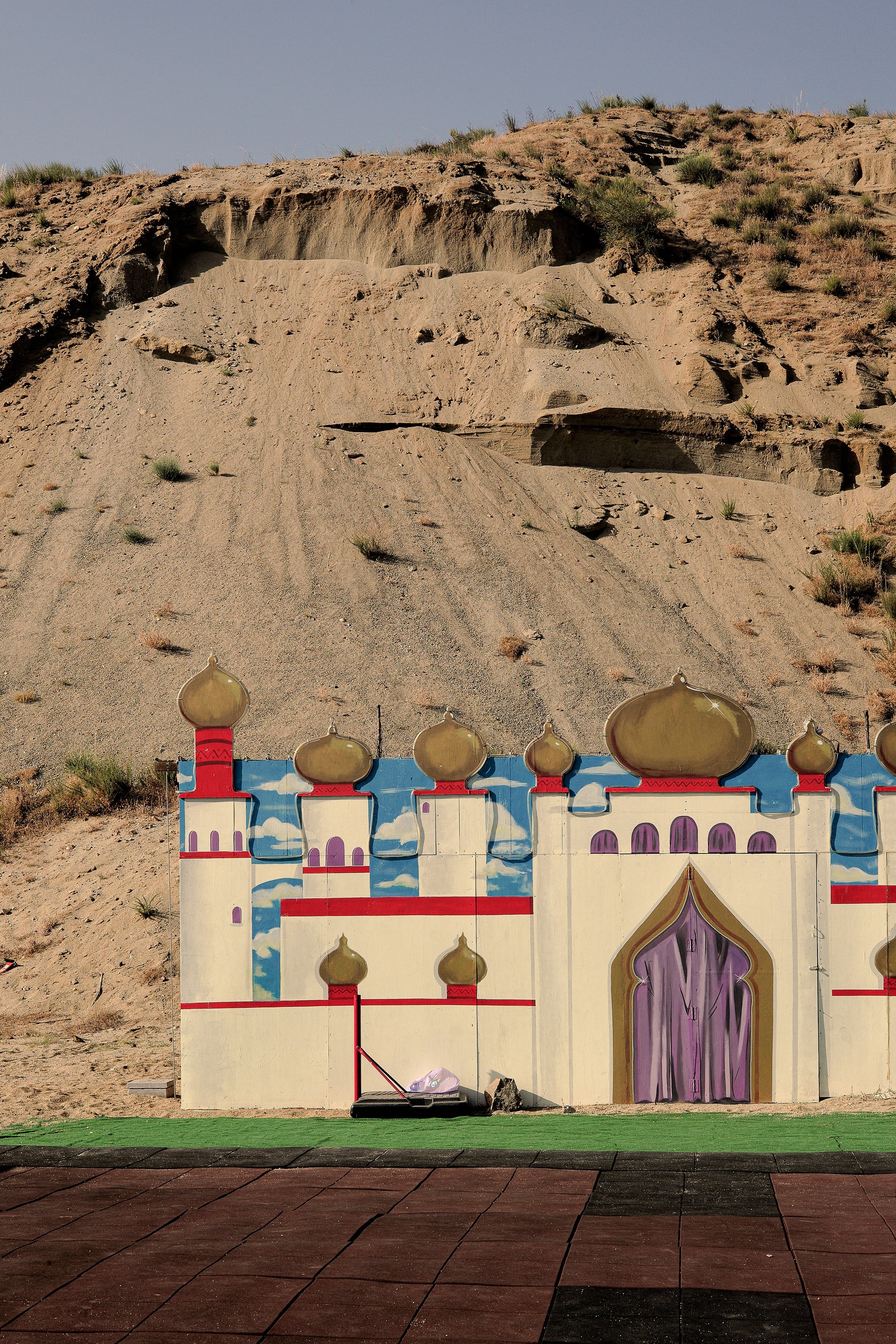
The south-eastern coast of Sicily, with its 9,000 hectares of greenhouses, hosts one of the highest concentrations of protected cultivation in Europe: the so-called “Fascia Trasformata.” In this area, intensive agricultural production coexists with severe poverty, exploitation, violence, and mafia infiltration, alongside a heavy environmental impact caused by the illegal disposal of plastics and pesticides. This work aims to investigate in depth the supply chain that brings the products of this land to our tables. Beneath an appearance of normality lies a complex system in which the legal economy and organized crime are deeply intertwined, sustaining a network that is as invisible as it is deeply rooted and pervasive.
Text by Melissa Carnemolla
BIO
Melissa Carnemolla, born in Ragusa (Italy) in 1991, began her career as an interior designer before turning to photography in 2015. Her work focuses on communities and social dynamics often overlooked by society. Her first long-term project, Behind the Dream, explores life in La Rustica, a marginalized neighborhood on the eastern outskirts of Rome, among the poorest areas of the city. In 2016, Melissa won a scholarship with photographer Antoine d’Agata, which led to the project La commande est passée. This short work addressesthemes of isolation through an intimate look at a gang of young Afro-French men involved in illegal activities. Between 2015 and 2017, Melissa was co-founder and co-director of Gazebook: Sicily Photobook Festival, the first Italian festival dedicated to the photobook. In 2017, Melissa moved to the Netherlands to study at the Royal Academy of Art in The Hague. During her academic path, she produced What the Dams Kept Safe, a photographic investigation into the hidden history of abuse in Westkapelle, examining the silence that allowed these atrocities to persist over time. She graduated in 2021 with The Island within the Island, a project that investigates the hidden realities behind horticultural production in Sicily. The work exposes the exploitation and systemic dynamics underlying the island’s agricultural industry. Currently, Melissa continues to develop her photographic practice, exploring themes related to social issues, human relationships, and sustainability. Through her work, she seeks to give voice to invisible stories, offering her perspective on the complexity of contemporary life.